
 Written by: Richele Nelsen
 Accidents in playgrounds can happen in public parks, schools, childcare centres and other recreational spaces. When these incidents occur because a playground was unsafe or poorly maintained, you may be entitled to compensation.
Injuries in these environments are addressed through public liability claims, which focus on whether the person or organisation responsible for the playground failed to keep it reasonably safe.
In this April 2026 guide, we’ll walk you through the steps to take if you’ve been injured in a playground. From understanding who may be responsible to what compensation may be available, and what you can do to protect your ability to claim.
What is a playground injury claim?
A playground injury claim is a public liability claim involving an injury that occurs in a playground or recreational space. When this happens, compensation may be available for the losses caused by the injury.
This usually requires showing that:
- A duty of care existed
- A hazard or unsafe condition existed
- Reasonable steps were not taken to address the risk
- That failure caused the injury.
Playground injury claims often involve situations where a hazard was not properly addressed. For example, this may include damaged playground equipment that has not been repaired, safety surfacing that is missing or worn, or structures that are not suitable for the intended age group.
Common playground injuries
Playground injuries can occur in a range of environments. But some types of accidents are more common in compensation claims, particularly when hazards are not addressed or risks are not clearly identified. The most common playground injuries involve falls, unsafe equipment, and hazards related to surfacing or layout.
Falls from equipment
Falls from climbing frames, monkey bars and slides are one of the most common causes of playground injuries.
In some situations, a fall alone does not usually establish a claim. The issue is whether the condition of the playground increased the risk of injury and whether the fall occurred in an area that met safety requirements.
Falls may lead to a claim where:
- The equipment was damaged or unstable
- Guardrails or barriers were missing or inadequate
- The surface below the equipment did not provide proper impact absorption.
For example, a fall from playground equipment onto compliant soft-fall surfacing may be considered part of normal play. The same fall onto compacted or worn ground may indicate a failure to maintain the area safely.
Liability depends on whether the surface met safety standards at the time of the incident and whether its condition had changed due to use or lack of maintenance.
Entrapment and impact injuries
Injuries may also occur where playground equipment is faulty, damaged or incorrectly installed.
This can include:
- Broken components or sharp edges
- Loose fittings or structural faults
- Equipment that does not meet safety standards.
Inspection records and maintenance reports are used to show when the equipment was last checked and whether any defects were identified but not repaired. Where a defect is recorded but not addressed, this supports a finding that reasonable steps were not taken.
Injuries from unsafe or defective equipment
Some playground injuries involve children becoming trapped or struck by moving or poorly designed equipment. These incidents involve questions about the equipment’s design and layout.
Liability depends on whether the risk created by the layout or movement of the equipment was identifiable and whether steps were required to reduce that risk.
Surface-related injuries
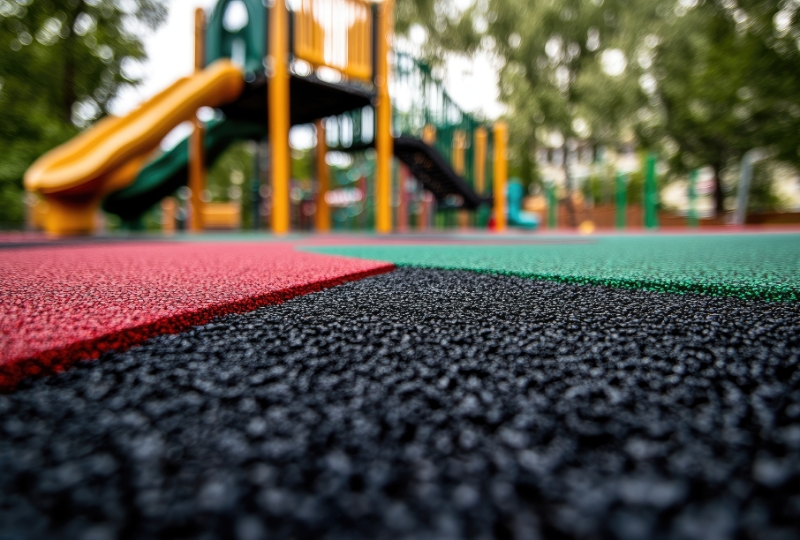
The condition of the ground surface beneath playground equipment plays a key role in injury risk, where hazards can develop over time.
Injuries may occur where:
- Safety surfacing is missing, worn or inadequate
- Hard surfaces are used in high-fall areas
- Drainage issues create uneven or slippery conditions
Liability depends on whether the condition was present long enough to be identified through inspection and addressed through maintenance. Maintenance records, inspection schedules, and prior complaints are used to determine when the condition first appeared and whether appropriate action was taken.
Get a free claim check
When can you make a playground injury claim?
Not every accident in a public place leads to compensation. To pursue a successful playground injury claim, it usually needs to be shown that an injury was caused by a hazard that should have been identified and addressed.
A claim is more likely where:
- The hazard was foreseeable
- The risk could have been reduced through maintenance, design or supervision
- Reasonable steps were not taken to address the issue.
For example, if a playground is subject to regular inspections, records should show when checks were carried out, what issues were identified, and when repairs were completed. Gaps in these records are used to assess whether the playground was properly inspected and maintained.
Who is liable for a playground injury?
Liability for a playground injury usually depends on who owns, controls or manages the playground where the incident occurred.
Depending on the circumstances, this may include:
- Local councils, which are responsible for maintaining public parks and recreational spaces
- Schools or education authorities, including state and independent schools, where playgrounds are located on school grounds
- Childcare centres or operators, who have a duty to maintain safe play environments
- Private property owners, where a playground is located on privately managed land or premises
- Contractors or maintenance companies, where a third party was responsible for the installation, inspection or upkeep of equipment.
In some situations, more than one party may share responsibility for maintaining safe conditions. A council may own the playground, while a contractor is responsible for inspections. If a hazard was identified but not repaired, liability depends on who had the responsibility to act on the hazard and whether that obligation was met.
Legal precedent
In Kathie Salman v Hornsby Shire Council, we acted for a client who suffered serious injuries on council-managed playground equipment. The risk had been identified in a safety report and reported to the council, but no action was taken to fix it.
The court found the council liable, highlighting its prior knowledge of the hazard.
This decision confirms that councils can be held responsible when they fail to respond to known dangers. The court also rejected the argument that the risk did not require action simply because it was apparent.
Does parental supervision affect a claim?
Parental supervision may be considered in a playground injury claim, but it does not automatically reduce or prevent a claim from proceeding.
If a playground contained a foreseeable hazard that should have been identified and addressed, that obligation rests with the party responsible for the space, regardless of whether a parent or carer was present.
In school or childcare environments, the question of supervision generally focuses on whether the staff responsible for the children met the expected standard of care, not on whether a parent was on site.
If responsibility is shared, compensation may be reduced to reflect that contribution. The claim may still proceed where a hazard should have been identified and addressed.
Lawyer insight
Consider two playground scenarios.
In the first, a parent is actively supervising their child. The child is injured due to damaged or poorly maintained equipment: a hazard that should have been identified and fixed. In this case, the council or operator may still be liable, as supervision does not remove the obligation to maintain a safe playground.
In the second, a child is injured while using equipment in an unsafe way, without any underlying defect or hazard in the playground itself. Here, the question may turn to supervision, and responsibility may be shared.
These scenarios show that while supervision can be relevant, it does not replace the duty to identify and address hazards. Where a foreseeable risk exists in the playground, liability may still rest with the party responsible for maintaining it.
What compensation can you claim for a playground injury?
If you have been injured in a playground, compensation may be available for a range of losses depending on the nature and severity of the injury. The amount recoverable depends on the severity of the injury and its impact on your life.
Compensation may include:
- Medical and rehabilitation expenses, including surgery, physiotherapy and ongoing treatment
- Loss of income, including past and future earning capacity
- Pain and suffering
- Domestic assistance and care needs
- Out-of-pocket expenses associated with the injury.
The amount you may be able to claim depends on the seriousness of the injury and the circumstances surrounding the accident. For minor injuries with a full recovery, compensation is generally limited to medical expenses and any lost income during recovery. Where an injury is more serious, affecting long-term work capacity or requiring ongoing care, the total amount can be substantially higher.
Each case is assessed individually, and outcomes will vary depending on the circumstances and evidence available.
Find out how much you can claim today
How playground injury claims work
If you have been injured in a playground, the steps you take immediately afterwards can affect both your recovery and any potential claim.
Step-by-step, here's what to do after a playground injury:
- Seek medical attention as soon as possible
- Report the incident to the council, school, childcare centre or property manager responsible for the playground
- Take photos or videos of the hazard and the surrounding area
- Collect the names and contact details of any witnesses
- Keep records of medical treatment, expenses and time off work
- Retain any clothing or footwear involved in the accident
- Speak with a playground injury lawyer to understand whether you may have a claim.
These steps can help establish what happened and whether someone else may be responsible for the injury.
Key takeaway
Evidence gathered shortly after an incident can determine how a claim proceeds. Photographs, incident reports and witness details are used to establish the condition of the playground before any repairs are carried out. Without this evidence, it can be more difficult to show how the injury occurred.
Time limits for playground injury claims
Time limits apply to playground injury claims and can affect whether a claim can proceed, and missing them can affect your ability to pursue compensation.
In most cases, personal injury claims must be commenced within three years from the date of the injury. Earlier notification requirements may apply in some situations, particularly where the claim involves a council or public authority.
Time limits for children
Where the injured person is a child, time limits are generally extended. In many cases, the limitation period does not begin until the child turns 18, which means a claim may be brought until they are 21.
Different rules may also apply to children or people under a legal disability. If you’re unsure where you stand, seeking legal advice as soon as possible after an accident will protect your ability to make a claim.
Legal insight
Insurers often try to minimise compensation by underestimating future medical costs or ongoing impacts on work and daily life. A lawyer can gather detailed medical reports, employment records, and expert assessments to demonstrate the true extent of the injury. This ensures claims reflect both current and future needs, helping to prevent undervaluation by the insurer.