

Lee’s story: $400,000 settlement after delayed breast cancer diagnosis
Lee’s story In October 2019, Lee—a devoted foster carer—noticed a...
Read More
Fitness enthusiast Anita’s brain injury shattered her active life. The insurer denied her motor vehicle accident claim, then blamed her entirely. GMP Law’s persistence through two legal battles secured $250k+ settlement.
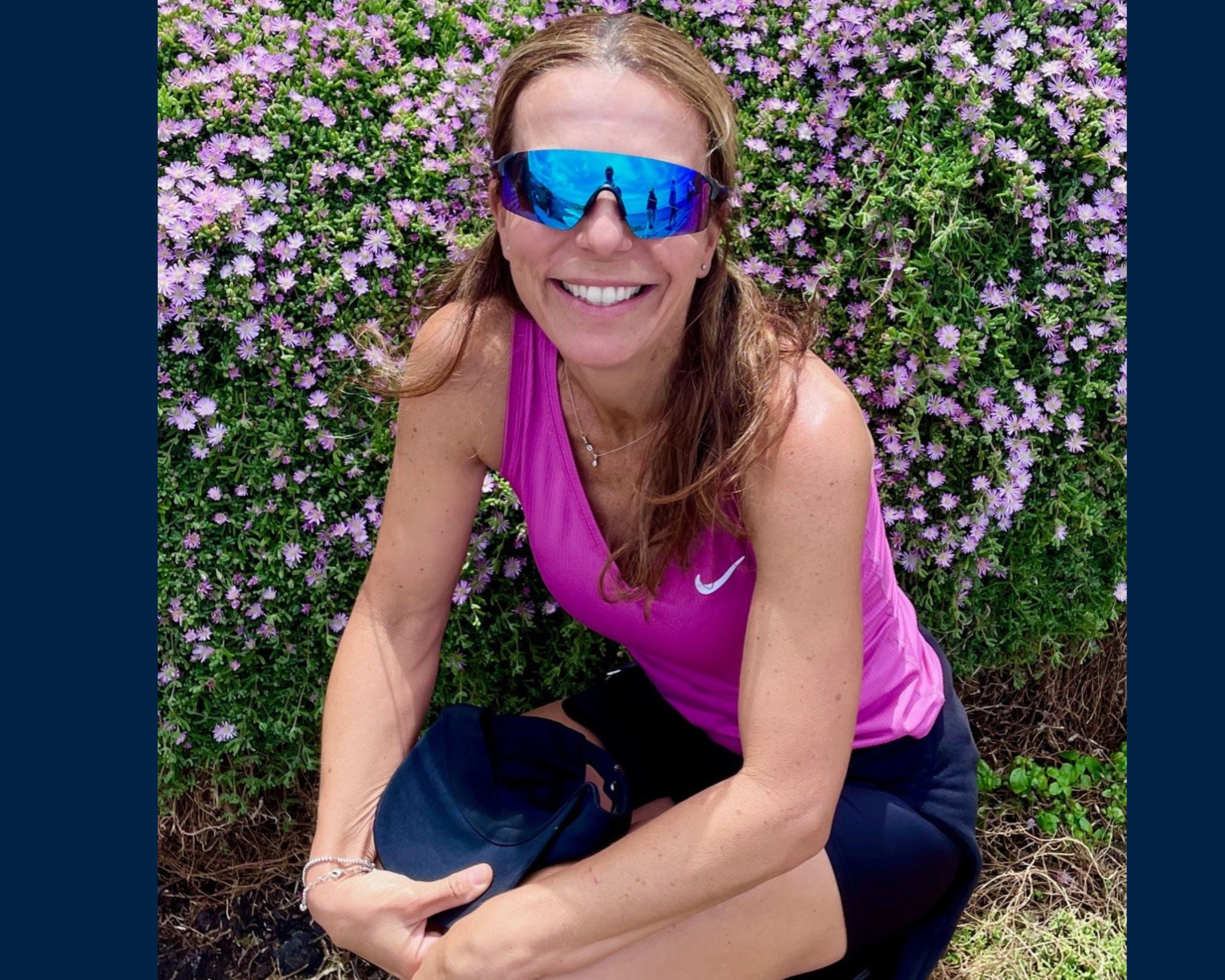
For Anita, fitness wasn’t just a hobby, it was her passion, her lifestyle, her joy.
“Fitness has always been my chocolate,” she says with a smile. As a corporate graphic designer living on Sydney’s Northern Beaches, she had built a life filled with adventure and activity: mountain biking, triathlons, road cycling.
“I was a go getter, always wanting adventure. I was a happy person.”
With two daughters in their twenties, a close-knit circle of outstanding friends, and a close relationship with her ex-husband, Anita had created a life she loved. “I’ve lived a really enjoyable life,” she said of her time before the accident.
Her passion for cycling ran deep. Mountain biking, in particular, had always been her love, her passion.
“I road the bike for 15 years at the time. I was very confident as I know my bike. I always rode with friends. This is to me why we choose this path [of the accident], it is away from traffic and hazards and is safer.”
When COVID-19 hit and her graphic design work shifted, Anita channeled her characteristic energy into building a cleaning business. “I have to love something to make a business out of something, she explains. She was a self-described workaholic who loved what she did. Life was “go, go, go.”
On the morning of 24 April 2023, that version of her life came to an abrupt halt.
It was approximately 9:00 am when Anita met a friend for their regular cycling route in the Church Point region. The area was well-known to local cyclists as a safer route with fewer cars.
“All Northern Beaches know it’s the place to go as there are less cars,” Anita notes. She was always attentive when riding, always conscious of staying in the gutter to avoid invading cars’ space, even when struggling up hills.
As they descended, they encountered a stationary removalist truck from on the narrow road.
“I saw the truck as we were coming down. We were doing 30-40km/h. I was three or four cars back from my friend. I thought she was going to take it, and go around the truck on the road. I was coming around the corner when I saw the truck.”
What happened next occurred in split seconds. Her friend, unable to see oncoming traffic because of the truck’s position and having experienced a previous accident, made the decision to brake hard rather than risk going around.
“She hit the brakes, as she could not see the other cars on the other side of the road, she didn’t want to take the risk and stopped before.”
Anita found herself approaching her friend too fast.
“I was braking, braking and I knew I was going to skid out. If you apply brakes suddenly, you will flip. I was coming up to her very fast and she had stopped.”
She made a split-second decision: “I decided I could not hit [my friend], so I turned my handlebars to the left, and I was close to the gutter side. I was that close to her, that I nipped the back of her wheel. I was going about 10km per hour when I hit [her].”
The physics of that moment proved catastrophic. Anita slipped off her bike, smashed her collarbone, and hit her head on the concrete. She rolled under the engine of a car parked in the driveway in front of the removalist truck, coming to rest between its tires.
“My friend has to crawl on her hands underneath the engine,” Anita recalls.
Despite the violent crash, Anita had remarkably few visible injuries: no scratches on her body or legs, a little scratch on her shoulder, a broken collarbone, but her head was “smashed to pieces.”
“I was bleeding out, with blood coming out of my helmet.”
Her friend called for help. When emergency services arrived—an ambulance and five police cars—they had to extract Anita from under the vehicle. She had no pulse initially, and there was significant blood loss from her head. In a moment of dark humour that would later feel oddly prophetic, Anita briefly regained consciousness as they cut off her clothes. “That’s my favourite top,” she said, before losing consciousness again.
Anita was transported by helicopter to hospital, where the medical team assessed the damage to her brain. The prognosis they gave her family was devastating.
“They saw the damage in my brain, and they predicted that when I wake up, she won’t know you. She may have to retrain her brain.”
The injuries were severe and multiple:
She spent 10 days in hospital. But when she woke up and remembered her ex-husband, the doctors took it as a positive sign.
The restrictions following her release were severe.
“I could not drive for four months, and I could not work for four months.”
The risk of seizures made driving dangerous, stripping away her independence.
“This was a disaster. I lost my independence, and my friends picked me up, but everything was hard.”
A month after the accident, she returned to see her doctor for assessment.
“I was told to do nothing, no reading, no exercising, nothing to let the brain recover.” The doctor started with basic cognitive tests, beginning with simple addition and gradually increasing in difficulty.
Then came a test that shook Anita’s confidence. “He said, ‘You’re a graphic designer, draw a clock. Now add the numbers.’” She crowded all 12 into the top right-hand corner. “I couldn’t control my hand or place them properly.”
“I did not pass the test. I left the appointment in tears. I thought because when I left the hospital and I was talking normally again, I would be okay.”
The stages of recovery brought emotional turmoil.
“I went from depression, upsetness, to ‘I can do this, I survived’. It was a mental rollercoaster. I was grieving as everything in my life came to a grinding halt. I am blessed to be alive, but it stripped me from who I am.”
Her friends later told her that when they visited after the accident, they believed she was facing “a whole new life” and that full recovery seemed unlikely.
But, Anita has recovered, slowly.
“The brain heals, it is a miracle. But my injury will always be the same. It will never change. If you take a scan you will see all the injury in my brain. I have been told to never hit my head again.”
The adventure-loving woman who had thrived on adrenaline-inducing activities had to fundamentally change her approach to life.
“After two and a half years, I have only just learned to get on a bike again. Just around the lake which is flat.”
The loss was profound.
“I’ve lost the adventure side of me, which I miss very, very much. It’s life changing because anything adrenaline inducing with risk, like bungee jumping, is just not worth it. I have to be careful as a single woman. My job is my earnings. I’ve been forced to step back and relax.”
As Anita fought for her physical and mental recovery, another battle was beginning. One that would prove almost as challenging as her medical journey.
On 24 April 2023, the CTP insurer denied that the accident was even a motor vehicle accident.
For Anita, already dealing with devastating injuries and unable to work, this denial added crushing financial pressure.
“The process for insurance felt like I was sitting the HSC. If I was alone, I wouldn’t do it. There were a lot of challenges to get help, and no one would help. The insurers called me, and there was a delay in money, and delay in explaining what was going on. This is when I was starting my business, so I was living on little money to support my family.”
It was during this difficult period that a friend suggested Anita speak with a lawyer, and her father-in-law recommended GMP Law.
Partner Vrege Kolokossian, assisted by solicitor Lara Hassan, took on Anita’s case and immediately recognised both its challenges and its potential. The first battle would be establishing that the accident even qualified as a motor vehicle accident under the relevant legislation.
Anita lodged an internal review of the insurer’s denial in February 2024. Later that month, the internal review overturned the decision, accepting the accident was a motor vehicle accident, a crucial first victory.
But the insurer wasn’t done fighting.
In March 2024, they issued a post-52-week notice determining that Anita was wholly at fault for the accident. This meant they would deny payment of statutory benefits after the first year. Anita lodged another internal review that same month. That review affirmed the insurer’s position: Anita was wholly at fault, and benefits would be denied.
Vrege explains the strategy that followed.
“We weren’t going to accept the insurer’s position that Anita was wholly at fault. We gathered witness statements, engaged experts to analyse the accident circumstances, briefed a barrister, and lodged an application with the Personal Injury Commission in December 2024, preparing for a full liability hearing if necessary.”
The insurer continued to argue that Anita was wholly at fault. But as GMP Law’s preparation intensified—building a comprehensive case with expert evidence and witness testimony—the insurer’s resolve began to crack. Four to five months after the PIC application was lodged, before any hearing took place, the insurer abandoned their argument. They no longer contested liability.
This first-stage victory was crucial. The insurer would now continue paying for Anita’s ongoing medical treatment expenses and wage loss. This provided essential support while she continued her recovery and while the team prepared for the second stage: a claim for damages.
The second stage presented its own difficulties. When Anita was assessed, her whole person impairment was under the 10% threshold required to claim non-economic loss (pain and suffering). Vrege’s team obtained an independent medical assessment which confirmed the remarkable recovery Anita had achieved and that her impairment was less than the 10% threshold.
This might have ended many claims, but Vrege saw the bigger picture.
“Even when I thought it was possible I would not get a cent, as my health was not over 10% WPI, Vrege had been clear with me. He said because I recovered so well, exceeding even what doctors first believed, that this is what they are looking at. He reminded me that I was lucky to be alive, so there is not one day that I don’t thank the universe for my life.”
But recovery, while remarkable, didn’t mean Anita hadn’t suffered significant economic losses. As a self-employed business owner, her inability to work for extended periods had real financial consequences.
Her brain injury, while it had healed better than initially predicted, still left her with permanent limitations that would affect her earning capacity into the future.
On that basis, Anita and Vrege agreed to waive the non-economic loss component and instead focus on pursuing the claim for past and future lost earnings and reduced earning capacity. Vrege’s team pursued the matter with this strategy in mind, recognising the reality of Anita’s situation even if her physical recovery had exceeded expectations.
$250,000+ inclusive of costs
When the matter proceeded to an Injury Settlement Conference, the result reflected both the strength of the case GMP Law had built and the real economic impact of Anita’s injuries. The settlement exceeded $250,000 for past and future economic loss. It was a result that properly acknowledged the financial consequences of her significant head injury, even though her remarkable physical recovery meant she didn’t qualify for pain and suffering compensation.
Anita’s reaction captures the emotional weight of the journey.
“I was looking at the ocean with tears. I was just overwhelmed and thought nothing would happen. And then when mediation was happening and it started, I realised that with all the nearly three years of meetings and appointments, this has come at a point, where I’ve ticked all the boxes.”
“The outcome has blown me away,” she says simply. “That’s a real case.”
The settlement came at a crucial time in Anita’s ongoing recovery. As a result of her head injury, she experienced hearing issues, and Vrege and the team gathered evidence from her specialist, who recommended surgery as a solution. Although the insurer initially denied responsibility, the team obtained medical evidence confirming that the hearing loss was a direct consequence of the head injury, and the insurer eventually agreed to fund the surgery.
Her resolution came soon after she had recently undergone ear surgery. The surgery was successful, providing another piece of her recovery puzzle.
“I feel direction as I had my ear done. I feel like we won our little battle which was amazing. And I was overwhelmed with the result. It’s come at such a good time mentally. Everything is aligning now. I feel like the money has given me time to think about how to structure my life. I have some financial freedom and not stressing about things.”
The financial security allows her to focus on continuing her recovery rather than worrying about how to pay for ongoing medical care or support her family.
“I am going to hike. I can do things now to get me back mentally and physically. I can start a new chapter. With what GMP Law got me through, I feel like I can get my life back. I feel like I’ve started 2026 in a whole new light.”
Throughout the three-year journey, the relationship between Anita and her legal team became a source of strength.
“Lara, Farah and Vrege, have been amazing. But what stood out most was Vrege’s honest, realistic approach.”
Anita valued that transparency.
“He was very loyal and real. He didn’t sell me false hope. He was honest, and never promised a result, but did promise he would fight for me, and he gave me hope to move forward so I kept on getting better. It helped me to go through the system slowly, as a claim is a slow process.”
He was also encouraging and patient.
“He said, I’m here for you and think positive Anita, you are alive.”
For someone who had been told she might not recognise her own family when she woke up, this perspective helped frame her journey.
“From the very beginning I felt genuinely supported, respected, and truly cared for during what was one of the most difficult periods of my life. Vrege was an exceptional lawyer who guided the case with great professionalism and ultimately achieved an amazing financial outcome with the insurance company … I also want to acknowledge Lara and Farah who were absolutely wonderful throughout the entire process … Their support meant more than I can express and made such a stressful journey feel far more manageable.”
Vrege emphasises several crucial takeaways from Anita’s case.
“Don’t accept what insurers say in terms of their definition of what a motor vehicle accident entails or looks like. If an insurer says you are mostly at fault and we don’t agree, we will take it to a PIC hearing if necessary. In Anita’s case, our thorough preparation and willingness to proceed to a hearing clearly wore down the insurer. They abandoned their ‘wholly at fault’ argument before we even got to the PIC hearing on liability.”
“Even when a client’s whole person impairment is under the threshold for non-economic loss, there may still be a strong case for economic loss damages. Anita’s remarkable recovery was a blessing, but it didn’t erase the financial impact of her injury or the ongoing limitations she faces. We pursued what she was entitled to, and the result properly reflects those losses.”
Anita’s case demonstrates that even when insurers fight every step of the way, proper legal representation and thorough case preparation can achieve justice. Her journey from being told she might not recognise her family to securing financial security for her future stands as testament to both her resilience and the importance of lawyers who refuse to give up on their clients.
If you believe you have a motorcycle accident or bicycle accident claim, reach out to GMP Law. Our team of lawyers will help you maximise your claim in the minimal time possible.
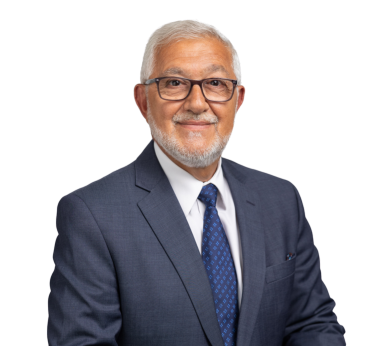
Senior Partner
Having worked for insurers before switching sides, Vrege Kolokossian brings rare tactical insight to his role as Senior Partner and Accredited Specialist, a powerful edge for every client.
Lee’s story In October 2019, Lee—a devoted foster carer—noticed a...
Read More
In February 2022, Peter's world changed in an instant. A...
Read More
A day that changed everything What should have been one...
Read MoreStart with a free consultation. Call 1800 004 878, or request a call back below.
By submitting this form you agree to our Privacy Policy.

To show the most relevant information, please choose your state.

Your location is currently: