
 Written by: Garbis Kolokossian
 Accidents in public places can happen unexpectedly, on footpaths, in shopping centres, parks, or at other public facilities. When these incidents occur because a space was unsafe or poorly maintained, you may be entitled to compensation.
In many situations, injuries in these environments are addressed through public liability claims, which focus on whether the person or organisation responsible for the space failed to keep it reasonably safe.
If you have been injured in a public place, understanding what steps to take and who may be responsible can help protect your rights and strengthen a potential claim. This March 2026 guide explains what qualifies as a public place injury, what to do immediately after an accident, and when compensation may be available.
What counts as a public place in a personal injury claim?
A public place is generally considered any area that members of the public can access. These locations may be owned by a government authority or operated by private businesses. Responsibility for maintaining these spaces may fall on councils, property owners, businesses, or contractors, depending on who controls the location.
Common examples include:
- Public footpaths and roads
- Parks and playgrounds
- Shopping centres and retail premises
- Supermarkets and grocery stores
- Public car parks
- Sporting venues and community facilities.
In many cases, accidents in these environments fall under public liability law if a person or organisation responsible for the space failed to maintain it safely.
Common accidents in public places claims
Public place injuries can occur in a range of environments. But some types of accidents appear more frequently in compensation claims, particularly when hazards are not addressed or risks are not clearly identified.
Slip and fall accidents
Slip-and-fall incidents are one of the most common public liability claims.
Slip-and-fall accidents may occur because of:
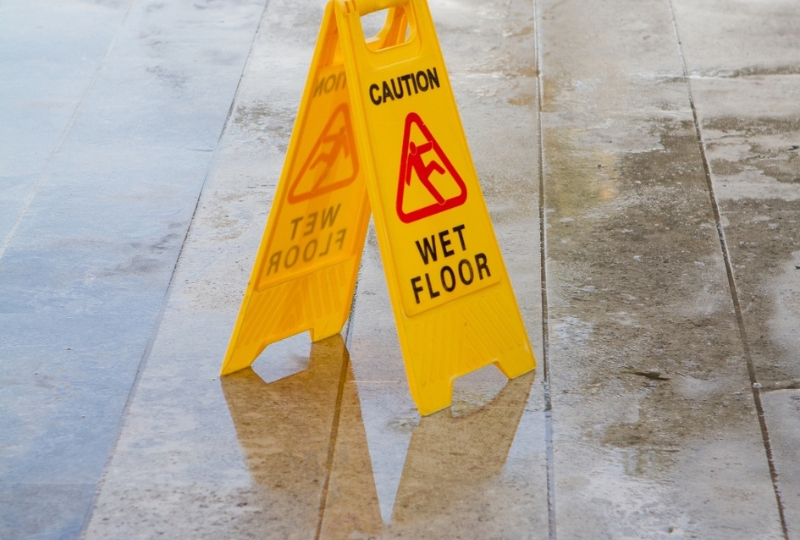
- Wet or slippery floors
- Uneven or damaged surfaces
- Loose flooring or tiles
- Poor lighting in walkways.
These accidents can result in injuries ranging from sprains and fractures to more serious head injuries.
Learn more: Claiming compensation for slip-and-fall claims
Injuries in parks, playgrounds and recreational spaces
Local councils are responsible for maintaining many public spaces, including parks, playgrounds, reserves and sporting grounds. When hazards are not properly identified or addressed, injuries can occur.
Common hazards in these environments include:
- Damaged or poorly maintained playground equipment
- Unsafe surfaces beneath equipment
- Broken seating, fencing or structures
- Uneven paths or poorly maintained walkways within recreational areas
- Lack of warning signs around known hazards.
In these types of public spaces, a claim may be possible where a foreseeable risk was not properly addressed through inspection, maintenance or appropriate warnings.
Key takeaway
Claims involving parks, playgrounds and recreational areas often focus on whether a foreseeable hazard was properly inspected, maintained or managed. Photographs of the hazard, witness details and incident reports can be important evidence.
Footpath accidents and council responsibility
Trips on public footpaths are often assumed to be council liability, but this is not always the case. Councils are generally only responsible where they knew, or should reasonably have known, about a hazard and failed to repair it within a reasonable time.
For this reason, many footpath incidents do not lead to viable claims. Evidence that the hazard had previously been reported, inspected or left unrepaired can be critical in determining whether a claim may proceed.
Case summary
In one case, our client tripped over a poorly maintained section of council footpath in Sydney and suffered a serious injury to his right ankle. The injury required several months away from work and he later returned to lighter duties, which affected his earning capacity.
Our legal team pursued compensation for his past and future loss of income, medical expenses and the need for domestic assistance. A detailed expert report on the condition of the footpath helped demonstrate the council’s maintenance obligations. Following thorough preparation and a settlement conference, the matter resolved for $400,000 in compensation.
As with all personal injury matters, outcomes depend on the specific circumstances of the incident and the severity of the injuries involved.
Accidents in shopping centres or supermarkets
Retail premises must provide a safe environment for customers.
Injuries in shopping centres or supermarkets may occur due to:
- Spills that are not promptly cleaned
- Obstructed walkways
- Damaged flooring or steps
- Falling or poorly stacked merchandise.
Can you claim compensation for injury in a public place?
In some situations, if you are injured in a public place, you may be able to pursue compensation for your injury. Claims of this type are commonly referred to as public injury compensation claims under public liability law.
This usually requires showing that:
- Someone owed a duty of care to maintain the area safely
- A hazard or unsafe condition existed
- Reasonable steps were not taken to address the risk
- That failure caused the injury.
Compensation for injury in a public place may include:
- Medical and rehabilitation expenses
- Loss of income
- Future treatment costs
- Pain and suffering
- Ongoing care or support needs.
The amount you may be able to claim depends on the seriousness of the injury and the circumstances surrounding the accident. If you believe your injury was caused by an unsafe environment, legal advice can help determine whether public place injury compensation may be available.
Find out how much you can claim today
What to do if you are injured in a public place
If you are injured in a public place, the steps you take immediately afterwards can affect both your recovery and any potential claim.
Acting quickly also helps preserve important evidence.
Step-by-step, here’s what to do after being injured in a public place:
- Seek medical attention as soon as possible
- Report the incident to the council, business, or property manager responsible for the location
- Take photos or videos of the hazard and the surrounding area
- Collect the names and contact details of any witnesses
- Keep records of medical treatment, expenses, and time off work
- Retain any clothing or footwear involved in the accident
- Speak with a lawyer to understand whether you may have a public liability claim.
These steps can help establish what happened and whether someone else may be responsible for the injury.
Get a free claim check
Who is responsible if you’re injured in a public place?
Responsibility for accidents in public places usually depends on who owns, controls, or manages the location where the incident occurred.
Depending on the circumstances, responsible parties may include:
- Local councils responsible for public infrastructure
- Shopping centre owners or operators
- Property owners or property managers responsible for maintaining the premises
- Retail businesses occupying the premises
- Event organisers or venue operators
- Contractors responsible for maintenance or repairs.
Public liability claims generally focus on whether the responsible party failed to take reasonable steps to keep the area safe.
Public land vs private property claims
Public place injuries can occur on both government-owned land and privately operated premises.
Claims against councils
Local councils are responsible for maintaining infrastructure such as footpaths, parks, and public walkways. Claims against councils often require clear evidence that a hazard existed long enough that it should reasonably have been repaired or addressed.
Claims on private property
Private property owners and businesses also have a duty to maintain reasonably safe premises. This may involve regular inspections, maintenance, and warning visitors about potential hazards.
How long do you have to make a claim?
Strict time limits apply to public liability claims.
In most cases, personal injury claims must be commenced within three years from the date of the injury. However, earlier notification requirements may apply in some situations, particularly where the claim involves a council or government authority.
Because limitation periods and notice requirements can vary by state and territory, it is important to seek legal advice as soon as possible after an accident
Key takeaway
If you are injured in a public place, documenting what happened as early as possible can make a significant difference. Medical records, photographs of hazards, and witness details often play a key role in public liability claims.