
 Written by: Rita Furfaro
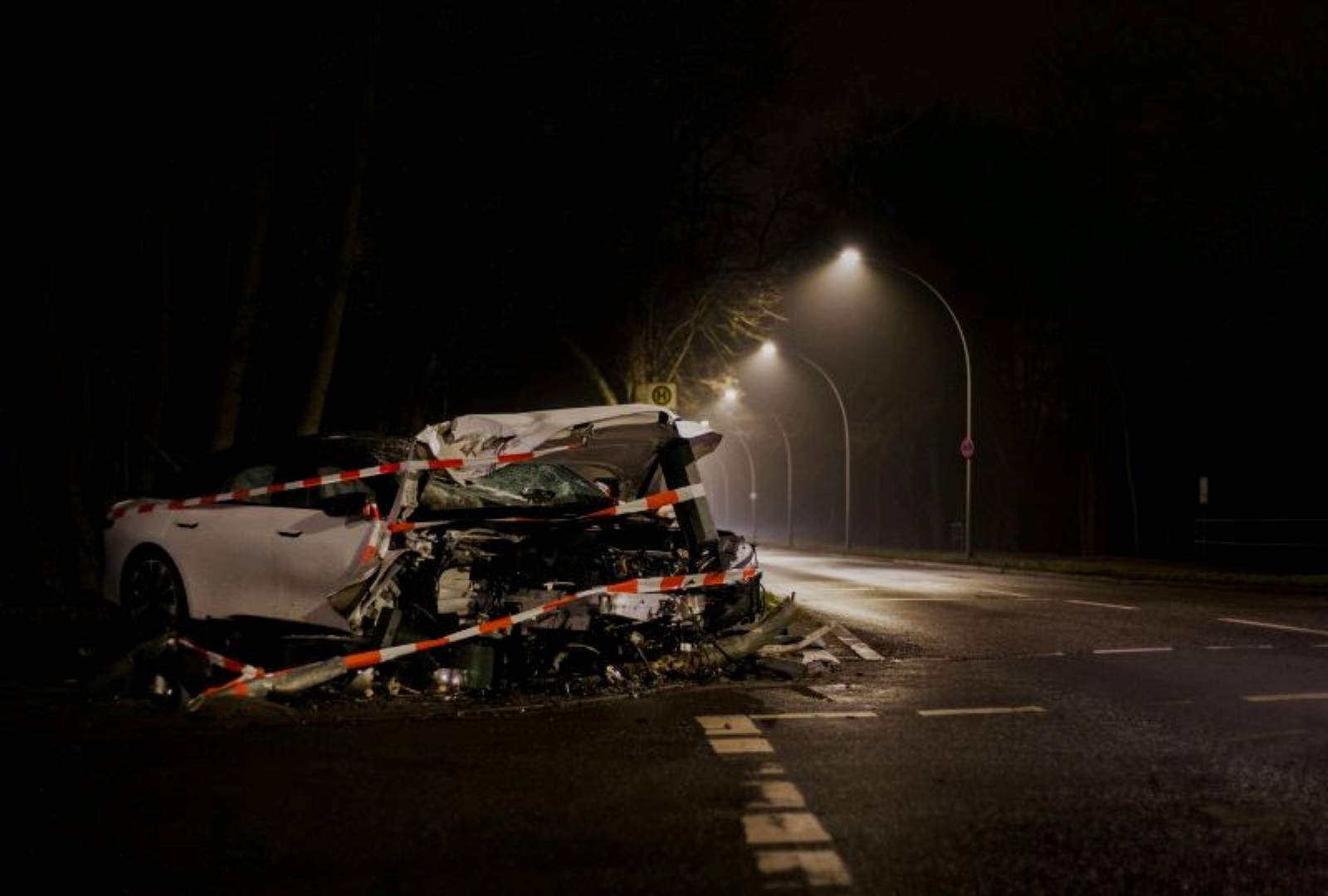
 If you’ve been injured in a rear-end collision, you may be entitled to claim compensation. This applies whether you were driving, a passenger, a pedestrian or a cyclist hit in the accident.
In Australia, rear-end collision claims are made through the Compulsory Third Party (CTP) or motor accident scheme in the state where it happened, and the process differs across New South Wales, Queensland and Victoria.
In this April 2026 guide, we’ll walk you through who is usually at fault, the injuries you can claim for, how much compensation may be available, and the steps involved in making a claim.
Who is at fault in a rear-end collision?
In a rear-end collision, the driver who hits the vehicle in front is usually considered at fault. Australian road rules require drivers to keep a safe distance from the vehicle ahead, and failing to do so is generally treated as negligence.
In most cases, the rear driver is presumed to be responsible for the accident. And in some circumstances, fault may be shared between both drivers depending on how the accident occurred.
When might the front driver share fault?
There are situations where the driver in front may be partly or fully at fault in a rear-end collision. These generally involve the front driver’s actions contributing to the accident.
Examples include:
- Changing lanes suddenly without leaving enough space
- Reversing into the vehicle behind
- Driving with faulty or broken brake lights
- Stopping suddenly without reason
- A chain reaction where the front driver first hit another vehicle, pushing their car into yours.
In these cases, fault may be shared between both drivers. Where you are found to be partly responsible, your compensation may be reduced by that percentage. For example, if you were found to be 33% responsible for the accident, your compensation may be reduced by that amount.
What if you were rear-ended and not at fault?
If another driver hit you from behind and you did not contribute to the accident, you are generally considered not at fault. In this situation, you may be entitled to claim compensation for your injuries without any reduction to your payout.
Get a free claim check
Common injuries from a rear-end collision
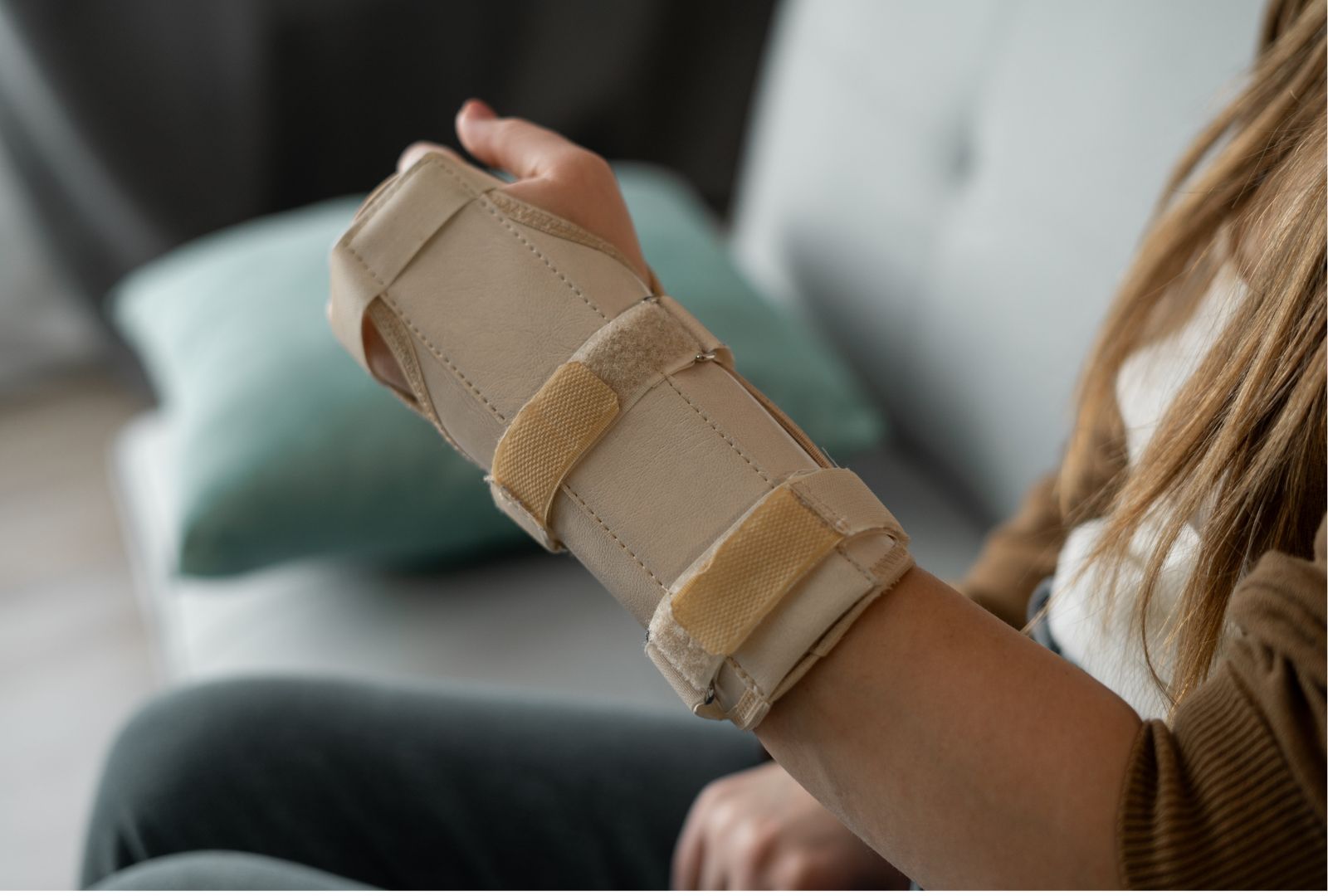
A rear-end collision can cause a range of physical and psychological injuries, even at low speeds. The sudden movement of the head, neck and spine during impact is enough to damage soft tissue, joints and nerves. Some injuries are immediately obvious, while others develop gradually during the days and weeks following the collision.
Physical injuries
- Severe whiplash with chronic pain and reduced range of motion
- Cervical disc herniation with nerve impingement (radiculopathy)
- Spinal cord injury or nerve damage affecting strength and sensation
- Concussion and traumatic brain injury (moderate to severe)
- Fractures to the spine, ribs, or sternum requiring ongoing treatment
- Shoulder injuries (including rotator cuff tears) impacting function and work capacity.
Psychological injuries
- Post-traumatic stress disorder (PTSD)
- Anxiety and depression
- Driving phobia and travel avoidance.
Onset of injuries
Not all injuries present immediately after a rear-end collision. Symptoms such as neck pain, headaches, dizziness, concussion, and difficulty sleeping can develop gradually over several hours or days as inflammation increases and adrenaline subsides.
This delayed onset is particularly common with disc herniations, nerve impingement, injuries requiring surgery, and mild traumatic brain injuries, which are often underestimated in lower-speed collisions. It is not unusual for people to feel relatively well at the scene, only to experience worsening symptoms the following day or later in the week.
Because of this, early medical assessment is important. Not just for treatment, but to document when symptoms first appeared and how they progressed.
Lawyer insight
In a rear-end collision claim, the evidence that supports a successful outcome is usually gathered in the days and weeks immediately after the accident. Imaging, specialist reports, and clear documentation of how symptoms progress over time are critical in establishing long-term impairment and any impact on your ability to work. They also help to establish the link between the collision and the injury, particularly where symptoms appear gradually.
Can you claim compensation after a rear-end collision?
If you have been injured in a rear-end collision in Australia, you can generally claim compensation. The claim is made through the insurance scheme that covers motor vehicle accidents in the state where the accident happened, and each state runs its own scheme.
The compensation available depends on the state you are in, whether you were at fault, and how serious your injury is. In most cases, you can claim for medical treatment and lost income. If your injury is more serious, you may also be entitled to a lump sum payment.
| State/Territory | Scheme | Do you need to prove the other driver was at fault? |
|---|---|---|
| New South Wales | Motor Accident Injuries Scheme | Not for the first 12 months of support. Yes, for a lump sum payment. |
| Queensland | CTP scheme | Yes |
| Victoria | Transport Accident Commission (TAC) | No |
| Western Australia | Insurance Commission of Western Australia (ICWA) | Yes |
| South Australia | CTP scheme | Not for treatment and support. Yes, for a lump sum payment. |
| ACT | Motor Accident Injuries Scheme | Not for the first 5 years of support. Yes, for a lump sum payment. |
| Tasmania | Motor Accidents Insurance Board (MAIB) | No |
| Northern Territory | Motor Accidents Compensation scheme | No |
Claims for passengers, pedestrians and cyclists
Passengers can claim, no matter which vehicle they were travelling in. If you were a passenger in a car that was hit from behind, your claim is made against the rear driver’s insurer.
Pedestrians and cyclists hit by either vehicle can also claim. For example, if a rear-end collision pushed one of the cars onto a footpath and a pedestrian was injured, the pedestrian can claim through the insurer of the at-fault driver. In Victoria, all of these groups are covered by the TAC regardless of who was at fault.
What if the other driver is uninsured or unidentified?
You can still claim compensation if the other driver was uninsured, unregistered, or left the scene. In New South Wales and Queensland, these claims are made through the Nominal Defendant, which is a scheme set up to cover accidents where the at-fault vehicle is not insured. In Victoria, the TAC covers these situations under its no-fault scheme.
For example, if you were stopped at a red light and a vehicle drove into the back of your car before speeding off without stopping, the other driver is considered unidentified. You can still lodge a claim through the Nominal Defendant in NSW or QLD, or through the TAC in Victoria. You will usually need to provide a police report of the accident, and time limits still apply.
Find out how much you can claim today
What compensation can you claim?
A rear-end collision compensation claim can include medical treatment, lost income during recovery, and other costs connected with the injury. Depending on the severity of your injury, it may also include a lump sum for pain and suffering and for the longer-term impact on your ability to work.
A claim generally covers:
- Medical treatment, including hospital care, surgery, specialist consultations, physiotherapy and rehabilitation
- Income lost while you are unable to work, and reduced future earning capacity, where the injury has a long-term impact
- Pain and suffering, where your injury meets the threshold set by your state’s scheme
- Care and support, including paid assistance at home during recovery
- Out-of-pocket expenses connected with the injury, such as travel to medical appointments and medical equipment.
How to claim compensation after a rear-end collision
If you have been injured in a rear-end collision, the steps you take immediately afterwards can affect both your recovery and your claim.
Acting early can also help preserve important evidence about how the accident occurred.
Step-by-step, here’s what to do after a rear-end collision:
1. Seek medical attention as soon as possible
Even if the injury appears minor, a medical assessment creates a record of the injury and when it occurred. This is particularly important for rear-end collisions, where symptoms can take hours or days to appear.
2. Report the accident to police
Notify police at the scene or report the accident as soon as you can. A police event number may be required to lodge a claim and to access weekly payments.
3. Exchange details with the other driver
Collect the other driver’s name, contact details, vehicle registration and insurer. If the driver leaves the scene, note the registration number and any identifying details about the vehicle.
4. Take photos of the scene
Photographs of the vehicles, the damage, the road conditions and any injuries can help show how the accident occurred. Dashcam footage, where available, is also valuable evidence.
5. Collect witness details
If anyone saw the accident, try to obtain their name and contact details. Independent witness evidence can be important if there is a dispute about how the collision occurred.
6. Keep records of treatment and expenses
Retain records of medical appointments, treatment, and any expenses related to the injury. This information is often used to assess compensation.
7. Lodge your claim within the time limit
Time limits differ between states. In New South Wales, a claim should be lodged within 28 days for back pay of weekly payments, and within three months to access support at all. In Queensland, a Notice of Accident Claim Form must generally be lodged within nine months of the accident, or within one month of first speaking to a lawyer. In Victoria, a TAC claim must be lodged within 12 months of the accident, or from when the injury first became apparent.
8. Seek legal advice
Understanding which scheme applies and what compensation you may be entitled to can help ensure the claim is handled correctly from the outset.
Time limits for a rear-end collision claim
Every state and territory sets its own time limits for lodging a rear-end collision claim. Strict time limits apply to rear-end collision claims, and missing a deadline can affect your ability to pursue fair compensation.
| State/Territory | Time limit to lodge |
|---|---|
| New South Wales | 28 days for back pay of weekly payments; 3 months to access support |
| Queensland | 9 months of the accident, or 1 month after first speaking to a lawyer |
| Victoria | 12 months of the accident, or from when the injury first became apparent |
| Western Australia | 3 years of the accident |
| South Australia | 6 months of the accident |
| ACT | 13 weeks for support payments; 3 years for a lump sum claim |
| Tasmania | 12 months of the accident, or 3 months if the other driver cannot be identified |
| Northern Territory | 6 months of the accident |
If you have been injured in a rear-end collision, seeking medical attention and legal advice early helps protect your ability to pursue compensation.